The evolution of gambling a journey through history
The Ancient Origins of Gambling
The roots of gambling can be traced back thousands of years, with evidence found in ancient civilizations such as China, Egypt, and Rome. In ancient China, rudimentary forms of gambling were practiced as early as 2300 B.C., with tiles used to play a game resembling today’s lottery. Similarly, in ancient Rome, dice games were popular among citizens, showcasing the universal allure of chance and risk. These early forms of gambling were not merely for entertainment but often tied to religious and cultural practices, making them an integral part of society. Today, many enthusiasts turn to platforms like https://mrwildz-casino.com/ to experience modern gaming.

Gambling’s evolution continued through the Middle Ages, particularly in Europe, where card games gained popularity. The introduction of playing cards in the 14th century marked a significant development, as these games offered a new dimension to gambling that involved skill and strategy, rather than pure chance. Gambling houses began to emerge, catering to the growing interest in these games, leading to the establishment of more formalized gambling practices.
By the time the Renaissance arrived, gambling was firmly entrenched in societal norms. The establishment of lotteries, particularly in Italy, served not just as a means of entertainment but also as a way to fund public projects. As gambling practices spread across Europe, they evolved into more structured forms, laying the groundwork for modern gambling establishments. This historical journey highlights how gambling has always adapted to cultural and societal changes, maintaining its appeal through the ages.
The Rise of Casinos
The concept of casinos as we know them today began to take shape in the 17th century. The first official casino, known as the Ridotto, was opened in Venice in 1638, providing a regulated space for gambling activities. This innovation allowed for the organized play of games such as card games and dice, offering a controlled environment for both entertainment and profit. The notion of a dedicated space for gambling quickly spread across Europe, giving rise to opulent establishments that attracted the wealthy and adventurous alike.
As the 19th century approached, the gambling industry began to thrive with the establishment of iconic casinos in cities like Monte Carlo, which became synonymous with luxury and risk. These establishments not only offered games of chance but also served as social hubs where patrons could engage in lavish entertainment, further embedding gambling into the fabric of society. The glamour associated with these casinos would influence public perception and participation in gambling, allowing it to flourish.
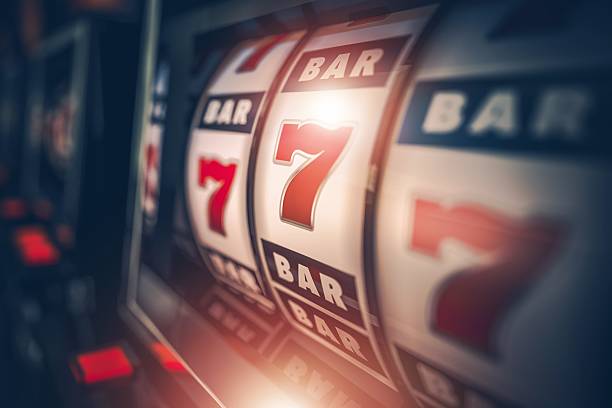
The growth of casinos coincided with advancements in technology, particularly the introduction of slot machines in the late 19th century. These machines, with their engaging visuals and simple mechanics, quickly became a staple in casinos, attracting a broader audience. The combination of traditional games and innovative technology created a vibrant gaming atmosphere, making casinos a preferred destination for leisure and thrill-seeking. The casino landscape was evolving, promising ever more engaging experiences for players.
The Digital Revolution and Online Gambling
The advent of the internet in the late 20th century revolutionized the gambling industry, giving rise to online casinos. The first online gambling site appeared in 1994, paving the way for an entirely new arena where players could gamble from the comfort of their homes. This transformation not only made gambling more accessible but also introduced a plethora of games that players could explore, significantly enhancing the overall experience.
With the rise of online gambling, the industry experienced a surge in popularity, driven by advancements in technology and software. Online platforms began to incorporate sophisticated graphics, interactive features, and various payment methods, making online gambling appealing to a global audience. As a result, millions of players could engage with their favorite games without needing to visit a physical casino, which broadened the reach and acceptance of gambling.
Moreover, the convenience of online gambling led to the emergence of live dealer games, which aim to replicate the feel of a brick-and-mortar casino. These games combine the excitement of real-time interaction with the comfort of online play, creating a hybrid experience that resonates with both traditional and modern players. The digital landscape continues to evolve, demonstrating how the gambling experience adapts to the changing preferences and technological advancements of the time.
The Globalization of Gambling
As gambling practices spread across the globe, variations and local adaptations emerged, creating a rich tapestry of gaming cultures. Different countries have unique gambling regulations and traditions, from the lotteries of the United States to the Pachinko parlors of Japan. This diversity enhances the global gambling experience, offering players a chance to explore different forms of gaming while contributing to local economies.
In many regions, particularly in Europe and Asia, gambling is deeply embedded in cultural practices and social gatherings, often seen as a form of entertainment that fosters community interaction. However, this globalization also raises concerns regarding regulation, responsible gambling, and the potential for addiction. Governments worldwide are grappling with how to manage these issues while still promoting the benefits of a flourishing gambling industry.
The internet has accelerated this globalization, allowing players from different backgrounds to connect through online platforms. This fusion of cultures has led to a broader understanding of gambling practices and has influenced the development of new games and betting styles. As the industry continues to expand, the potential for innovative approaches to gambling remains significant, promising an exciting future.
MrWildz Casino: A Modern Gambling Experience
MrWildz Casino is a prime example of how the online gambling landscape has evolved, offering players a safe and engaging environment. Launched in 2020, this platform combines a vast selection of high-quality slot games with user-friendly navigation and a commitment to player security. With its license and regulation, MrWildz ensures that players can enjoy their gaming experience without the fear of fraud, adhering to strict KYC standards to protect users.
The casino features a welcoming bonus of up to €2,000 and 200 free spins for new players, attracting those curious about online gaming. This generous offer is designed to enhance the gaming experience and encourage exploration of the diverse games available. With thousands of titles from leading developers, MrWildz Casino offers something for every player, from casual gamers to seasoned enthusiasts.
Accessibility is a key focus for MrWildz, as it aims to cater to a global audience. The platform’s responsive design ensures that players can enjoy their favorite games on various devices, whether at home or on the go. MrWildz invites users to register today for a trustworthy gaming experience, showcasing how the evolution of gambling continues to thrive in the modern world, blending tradition with innovation.
Leave a Reply